
Tuesday, February 7, 2023
Monday, February 6, 2023
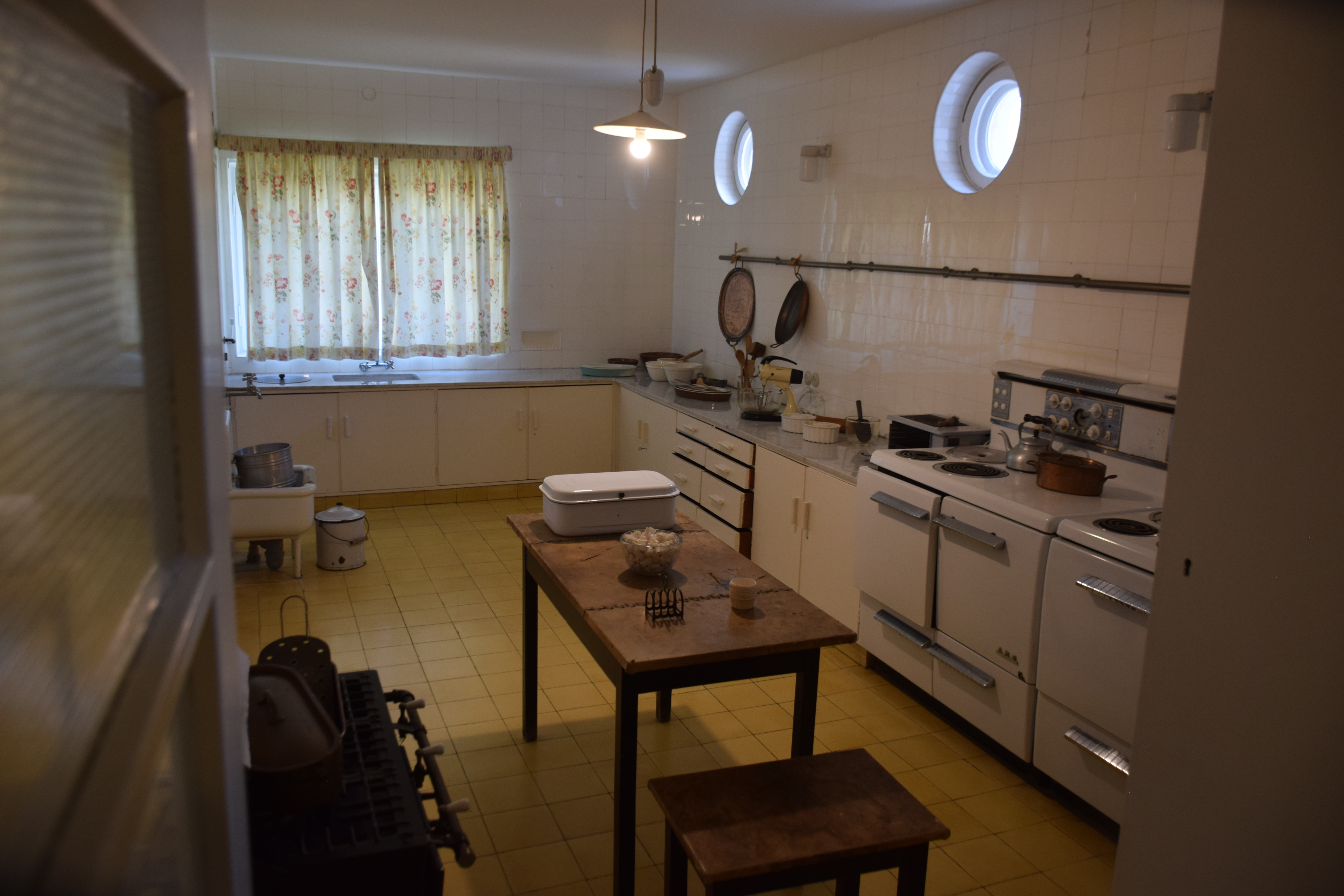
Chaim Weizman House in Rehovot - Mendelsohn house.
The building of the house took about a year, and the Weizmanns were able to take ownership in January 1937. The final cost after negotiations and construction was £14,832. Though this house was designed for the Weizmanns, they lived there only after the Second World War, several years after it was ready for them. When the Weizmanns were not home the house was lived in by visiting world leaders, luminaries, and guests.[After the house was completed difficulties between the architect and clients continued: Chaim Weizmann was displeased with Erich Mendelsohn* over imperfections in the building such as dampness in the winter, and Wera Weizmann chose her own interior decoration over that of Mendelsohn. The house now displays the art and objects that the Weizmanns had collected.
*Erich Mendelsohn (March 21, 1887 - September 15, 1953) was a Jewish architect, known for his expressionist architecture in the 1920s, as well as for developing a dynamic functionalism in his projects for department stores and cinemas. Born in Allenstein (Olsztyn), East Prussia (Now Poland), Mendelsohn was the fifth of six children; his mother was a hat-maker and his father a shopkeeper. He attended a humanist Gymnasium in Allenstein and continued with commercial training in Berlin.
In 1906 he took up a study of national economics at the University of Münich. In 1908 he began studying architecture at the Technical University of Berlin; two years later he transferred to the Technical University of Münich, where in 1912 he graduated cum laude. In Munich he was influenced by Theodor Fischer, an architect whose own work fell between neo-classical and Jugendstil, and who had been teaching there since 1907; Mendelsohn also made contact with members of Der Blaue Reiter and Die Brucke, two groups of expressionist artists.
From 1912 to 1914 he worked as an independent architect in Münich. In 1915 he married cellist Luise Maas. Through her, he met the cello-playing astrophysicist Erwin Finlay Freundlich. Freundlich was the brother of Herbert Freundlich, the deputy director of the Kaiser Wilhelm Institut fur Physikalische Chemie und Elektrochemie (now the Fritz Haber Institute of the Max Planck Society in the Dahlem district of Berlin. Freundlich wished to build an astronomical observatory suitable to experimentally confirm Einstein's Theory of Relativity. Through his relationship with Freundlich, Mendelsohn had the opportunity to design and build the Einsteinturm ("Einstein Tower"). This relationship and also the family friendship with the Luckenwalde hat manufacturers Salomon and Gustav Herrmann helped Mendelsohn to an early success. From then until 1918, what is known of Mendelsohn is, above all, a multiplicity of sketches of factories and other large buildings, often small format or in letters from the front to his wife.
At the end of 1918, upon his return from World War I, he settled his practice in Berlin. As early as 1924 Wasmuths Monatshefte fur Baukunst (a series of monthly magazines on architecture) produced a booklet about his work. In that same year, along with Ludwig Mies van der Rohe and Walter Gropius he was one of the founders of the progressive architectural group known as Der Ring.
His practice grew. In its best years, it employed as many as forty people, among them, as a trainee, Julius Posener, later a famous architectural historian. Mendelsohn's work encapsulated the consumerism of the Weimar Republic, most particularly in his shops: most famously the Schocken Department Stores. Nonetheless he was also interested in the socialist experiments being made in the USSR, where he designed the red Flag Textile Factory in 1926 (together with the senior architect of this project, Hyppolit Pretreaus). His Mossehaus newspaper offices and Universum cinema were also highly influential on art deco and Streamline Moderne.
During this time, Mendelsohn was successful both in his work and financially. In 1926, not even forty years old, he was able to buy himself an old villa. In 1928 planning began for his Rupenhorn house, nearly 4000 m2, which the family occupied two years later. With an expensive publication about his generously proportioned new home, adorned with the work of Amedee Ozenfant among others, Mendelsohn became the subject of envy.
As a Jew, seeing the rise of antisemitic tendencies in Germany, he emigrated in the spring of 1933 to England. His not inconsiderable fortune was later seized by the Nazis, his name was struck from the list of the German Architects' Union, and he was excluded from the Prussian Academy of Arts. In England he began a business partnership with Serge Chermayeff, which continued until the end of 1936. Mendelsohn had long known Chaim Weizmann, later President of Israel. At the start of 1934 he began planning a series of projects on Weizmann's behalf in Mandatoric Israel under British rule and in 1935 opened a bureau in Jerusalem, where he greatly influenced the local Jerusalem International Style, all facades fashioned in limestone. In 1938, having already dissolved his London office, he took UK citizenship and shortening his English forename to "Eric".
From 1941 until his death Mendelsohn lived in the United States and taught at the University of California, Berkeley. Until the end of World War II his activities were limited by his immigration status to lectures and publications.
 |
| Passeport of Chaim Weizmann with number 00001. |




Saturday, February 4, 2023


Friday, February 3, 2023
2023 - Rok Mordechaja Anielewicza i tych wszystkich których wspólnym grobem jest Miła 18.
.jpg) |
| Jeden z pomników Anielewicza w kibucu nazwanym jego imieniem. |
Grób Anielewicza – to zasypany bunkier, który znajdował się na ulicy Miłej 18. Pod koniec Powstania w getcie warszawskim ukrywali się w nim, a następnie ponieśli śmierć bojowcy Żydowskiej Organizacji Bojowej, wśród nich dowódca, komendant (jedyny!) ŻOB Mordechaj Anielewicz. W bunkrze zginęło ok. 120 powstańców.
Thursday, February 2, 2023
Numerous of the photos of Korczak and his Orphanage were preserved for the future thanks to Cesia that left Warszawa Ghetto just some weeks before the deportation to Treblinka.
 |
| Photos of Korczak and the Orphanage provided to the archives of the Ghetto Fighters kibbutz by Cesia Mendel born Grynbaum. |
As I wrote before, numerous of the photos of Korczak and the Orphanage were preserved thanks to two girls, Cesia and Helenka with the numbers of the Orphanage 8 and 55 from 1939, and a boy, Szlomo, whose number I do not know yet and who left the Orphanage in 1935.
Today, I am writing about Cesia that the Białystok peasants she worked for, said "She walks like a Jewess." Cesia Grynbaum left Korczak Orphanage in 1942, just a few weeks before the Great Action, and survived the Holocaust in Poland. Immediately after the war, Cesia lived in Białystok, Warsaw and Łódź. According to the story of her future husband Amek, Abraham, one day after the war (in 1945) Cesia came with her mother to visit Kibbutz Przyszłość (LeAtid). Amek, Abraham Mendel, fell in love with Cesia. Heniek Bergman managed this kibbutz.
In 1945, Cesia and her kibbutz crossed the "green border " to Czech Prague and then to Germany and France. The first stage was through the snow on the Czech border. A group from the kibbutz LeAtid were to pose as Greek Jews returning home after the Holocaust. From Prague, a group of Cesia and Amek went to Germany and there to one of the largest camps for the DP in Liepheim. The trip from Germany to France organized by emissaries from Israel. Waiting for the ship arrival was in Marseille. When the expected ship arrived the whole group sets off in trucks (Jewish Brigade?) to the port of Séte (200 km). The port of Séte was not as controlled by British intelligence as the one in Marseilles.
From the port of Sete, on January 18, 1947, on a 400-ton ship named "LaNegew" (Merica), Cesia set off with her husband Amek among other 647 Survivors to Eretz Israel. There were also many Jewish orphans on the ship. At sea, a terrible storm caught them. The waves were high and the water rushed under the deck of the ship. The survivors poured water from the ship in buckets because the water pumps were out of order. When, after 10 days, they reached the shores of Crete, they ran out of fuel and provisions because the travel lasted much longer than they expected and the ship had a speed of only 6 knots, so that during the biggest storms it actually stood still.
When they were standing in the roadstead of one of the northern ports of Crete, the crew of the ship that came with them from France left the ship. Under the pretext that they were only going ashore to buy fuel and provisions, they collected last money and other valuables from the Survivors. They never came back! The Greek police boarded the ship. They understood the situation quickly. They took care of the supply of fuel and food. The LaNegev ship continued towards the Promised Land - Eretz Israel.
On the night of February 5, 1947, the LaNegev was discovered by three British destroyers. 100 commandos attacked the ship and captured it after a short battle. One of the Survivors, Herbert Laser, was killed by the British. Many Survivors were injured. The LaNegev ship was towed from the vicinity of Caesarea to the port of Haifa. The survivors were transferred to a British prisoner of war ship and on February 9, 1947, they were transported to Famagusta, internment camp no. 65 in Cyprus. The camp is surrounded by barbed wire, towers and armed guards camp no. 65 was later called the Children's Village.
When LaNegev's passengers arrived in Cyprus in February 1947, there were already 700 internees there. When they left a year later, there were over thirty thousand of them, despite the monthly transfer of 750 to Eretz Israel.
In Cyprus initially Cesia and Amek lived in tents together with the group they came with. In the meantime, her mother who settled in the USA managed to obtain all the papers needed for Cesia and Amek to immigrate to the USA. The young decided, however, according to the name of the kibbutz from which they left Poland, "Future", to build their future in Eretz Israel.
One day, Cesia received a package from her mother from the USA, shoes. Kibbutz decided that the shoes should be returned to the "kibbutz community". Cesia objected and together with her friends from Poland, Lutek and Mirka decided to leave the kibbutz. They found an abandoned, small, brick house in the camp, which became their joint residence until the end of their stay in Cyprus. Exactly one year later, Cesia (Ewa according to British documents) and her husband Abram were allowed to settle in Eretz Israel, where they arrived in February 1948, bringing the last known photos of Korczak, now stored in the archive of the Ghetto Fighters kibbutz in Israel. They returned by ship Kedma to Haifa in February 1948. From the camp they brought to Israel stone sculptures made by Amek and Lutek and clothes that Cesia and Mira made from canvas from abandoned tents.
In Israel, Cesia had little contact with her former pupils and boarders from the Orphanage. They were probably divided by the period of the Holocaust and the way they lived through this dark period.
In Israel, Cesia had little contact with her former pupils and boarders from the Orphanage. They were probably divided by the period of the Holocaust and the way they lived through this dark period.
LaNegev was on of the 100 ships – acquired, equipped, navigated and commanded by a handful of Palmach youngsters. Over 120,000 Jews were brought from Europe to Israel by Hagana. Most known of them was Exodus.
 |
| On the night of February 5, 1947, the LaNegev was discovered by three British destroyers. 100 commandos attacked the ship and captured it after a short battle. One of the Survivors, Herbert Laser, was killed by the British. Many Survivors were injured. The LaNegev ship was towed from the vicinity of Caesarea to the port of Haifa. |

 |
On the night of February 5, 1947, the LaNegev was discovered by three British destroyers. 100 commandos attacked the ship and captured it after a short battle. One of the Survivors, Herbert Laser, was killed by the British. Many Survivors were injured. The LaNegev ship was towed from the vicinity of Caesarea to the port of Haifa. Holocaust survivors from the LaNegev were transported to the British detention camp in Cyprus. The names of Maapilim that were sent to Cyprus from two ships LaNegev and Unnamed were published in the newspaper. |
 |
| One of the photos brought by Maapilim, Cesia and Amek Mendel on board the LaNegev ship. Photo was taken at the summer camp at Goclawek. Janusz Korczak stands with children. Cesias face is enlarged on the photo on the right. |

 |
| From the port of Séte, on January 18, 1947, on a 400-ton ship named "LaNegew" (Merica), Cesia set off with her husband Amek among other 647 Survivors to Eretz Israel. There were also many Jewish orphans on the ship. |
 |
| From the port of Séte, on January 18, 1947, on a 400-ton ship named "LaNegew" (Merica), Cesia set off with her husband Amek among other 647 Survivors to Eretz Israel. There were also many Jewish orphans on the ship. |
 |
| In Cyprus, initially Cesia and Amek lived in tents together with the group they came with. In the meantime, her mother who settled in the USA managed to obtain all the papers needed for Cesia and Amek to immigrate to the USA. The young decided, however, according to the name of the kibbutz from which they left Poland, "Future", to build their future in Eretz Israel. |

 |
| The LaNegev ship was towed from the vicinity of Caesarea to the port of Haifa. The survivors were transferred to a British prisoner of war ship and on February 9, 1947, they were transported to Famagusta port and thereafter to internment camp no. 65 in Cyprus. The camp is surrounded by barbed wire, towers and armed guards camp no. 65 was later called the Children's Village. |
Tuesday, January 31, 2023
Losy ostatnich zdjęć Korczaka - Powojenna historia - Z Polski do Eretz Israel - לנגב. - Cesia Grynbaum.
“Chodzi jak Żydówka” to tytuł jednego z trzech oddzielnych rozdziałów w mojej ksiazce o trojgu dzieci z Domu Sierot Korczaka dzięki którym zachowała się większość fotografii z Domu Sierot na Krochmalnej i koloniach na Gocławku.
Tak jak poprzednio pisałem zdjęcia Korczaka i Domu Sierot zachowały się dzięki dwóm dziewczynkom, Cesi i Helence z numerami Domu Sierot 8 i 55 z 1939 roku i chłopcu Szlomo którego numeru jeszcze nie znam i który opuścił Dom Sierot w 1935 roku.
To o Cesi białostoccy chłopi u których pracowała mówili że “Chodzi jak Żydówka”. Cesia to Cesia Grynbaum która opuściła Dom Sierot w 1942 roku, zaledwie kilka tygodni przed Wielka akcja i przeżyła Zagładę w Polsce. Bezpośrednio po wojnie mieszkała Cesia w Białymstoku, Warszawie i Łodzi. Według opowiadania jej przyszłego męża Amka, Abrahama, któregoś dnia Cesia przyjechała z matka na wizytę do kibucu Przyszłość (Le Atid). Amek, Abraham Mendel zakochał się w Cesi. Heniek Bergman zarządzał tym kibucem.
W 1945 roku przedostała się Cesia wraz z jej kibucem przez "zieloną granicę" do czeskiej Pragi i następnie do Niemiec i do Francji. Pierwszy etap przez śnieg na granicy czeskiej. Grupa z kibucu Przyszłość miała na granicy udawać Żydów greckich wracających po Holokauście do domu. Z Pragi grupa Cesi i Amka pojechała do Niemiec i tam do jednego z największych obozów dla DP w Liepheim. Droga z Niemiec do Francji zorganizowana przez emisariuszy z Izraela. Oczekiwanie na statek to już Marsylia. Na sygnał że oczekiwany statek przypłynął rusza cała grupa ciężarówkami (Jewish Brigade?) do portu w Séte (200 km). Port w Séte nie był aż tak kontrolowany przez wywiad brytyjski jak ten w Marsylii.
Z portu w miejscowości Séte, dnia 18 stycznia 1947 roku 400-tonowym statkiem nazwanym „LaNegew” (Merica), wyruszyła Cesia z mężem Amkiem wśród innych 647 Ocalałych do Erec Israel. Na statku było również wiele żydowskich sierot. Na morzu złapał ich straszny sztorm. Fale były wysokie i woda wtargnęła pod pokład statku. Ocalali wylewali wodę ze statku wiadrami, bo pompy wodne były nieczynne. Gdy po 10 dniach dotarli do brzegów Krety skończyło im się i paliwo i prowiant gdyż droga trwała dużo dłużej niż przewidywali a statek miał szybkość 6 węzłów tak że podczas największych sztormów właściwie stał w miejscu.
Gdy stali na redzie któregoś z północnych portów Krety opuściła statek załoga statku która z nimi przypłynęła z Francji. Pod pretekstem że jadą tylko na ląd kupić paliwo i prowiant zebrali od Ocalałych ich ostatnie pieniądze i inne kosztowności. Nigdy nie powrócili! Na statek weszła policja grecka. Zrozumieli szybko sytuacje. Zatroszczyli się o dostawę paliwa i żywności. Statek LaNegev ruszył dalej w kierunku Ziemi Obiecanej - Eretz Israel.
W nocy 5 lutego 1947 roku odkryły statek LaNegev trzy Brytyjskie niszczyciele. 100 komandosów zaatakowało statek i zdobyło go po krótkiej bitwie. Jeden z Ocalałych, Herbert Laser, został zabity przez Brytyjczyków. Wielu Ocalałych zostało rannych. Statek LaNegev został z okolic Cezarei odholowany do portu w Hajfie. Ocalałych przeniesiono na brytyjski statek jeniecki i zostali 9 lutego 1947 przewiezieni do Famagusty, do obozu internowania nr. 65 na Cyprze. Obóz otoczony drutem kolczastym i uzbrojonymi strażnikami. Obóz nr. 65 nazwano później Wioska Dzieci.
Kiedy w lutym 1947 roku pasażerowie LaNegeva przybyli na Cypr, było już tam tam 700 internowanych. Kiedy wyjeżdżali rok później, było ich ponad trzydzieści tysięcy, pomimo miesięcznego transferu 750 do Erec Israel.
Na Cyprze mieszkała początkowo Cesia i Amek w namiotach (Obóz 65) wraz z grupa z która przybyła. W międzyczasie jej matka (z ojczymem) dostali wizy i osiedlili się w USA. Matce udało się uzyskać również wszystkie papiery potrzebne do emigracji do USA. Mlodzi postanowili, zgodnie z nazwa kibucu z którego wyruszyli z Polski “Przyszłość”, budować swoja przyszłość w Erec Israel. Do Cesi przyszła paczka od jej mamy z USA, buty. Kibuc Cesi i Amka postanowił że buty powinny zostać oddane do “wspólnoty kibucowej”. Cesia sprzeciwiła się i wraz z przyjaciółmi z Polski, Lutkiem i Mirka znaleźli na terenie obozu opuszczony, mały, murowany domek który stal się ich wspólna siedziba do końca pobytu w obozie na Cyprze. Dokładnie rok później Cesia (Ewa wg. dokumentów brytyjskich) z mężem Abramem dostali pozwolenie na osiedlenie się w Eretz Israel dokąd przyjechali w lutym 1948 roku, wraz z nimi ostatnie znane zdjęcia Korczaka przechowywane obecnie w archiwum Bohaterów Getta w Izraelu. Wrócili statkiem Kedma do Haify w lutym 1948 roku. Z obozu przywieźli do Izraela rzeźby z kamienia zrobione przez Amka i Lutka i ubrania które Cesia i Mira zrobiły z płótna z opuszczonych namiotów.
Cesia miała w Izraelu bardzo mało kontaktów z byłymi wychowankami i bursistami z Domu Sierot. Prawdopodobnie dzielił ich okres Zagłady i sposób w jaki przeżyli ten czarny okres.


 Gazeta Z Bliska i z Daleka z 21 lutego 1947 roku z nazwiskami deportowanych ze statku לנגב z Hajfy do obozu na Cyprze. Zaznaczeni czerwonymi kropkami to Abraham i Ewa Mendel.

 |
| W lutym 1948 roku, Cesia (Ewa wg. dokumentów brytyjskich) z mężem Abramem dostali pozwolenie na osiedlenie się w Eretz Israel dokąd przyjechali z obozu na Cyprze wraz z nimi zdjęcia Korczaka i dzieci z Domu Sierot. |
 |
| Z Francji z miejscowości Sete, dnia 18 stycznia 1947 roku 400-tonowym statkiem nazwanym „LaNegew” (Merica), próbowała Cesia wraz z innymi 647 Ocalałymi, dostać się do Erec Israel. Zdjęcie z portu w Hajfie.. |
 |
| Z Francji z miejscowości Sete, dnia 18 stycznia 1947 roku 400-tonowym statkiem nazwanym „LaNegew” (Merica), próbowała Cesia wraz z innymi 647 Ocalałymi, dostać się do Erec Israel. |
Tak jak poprzednio pisałem zdjęcia Korczaka i Domu Sierot zachowały się dzięki dwóm dziewczynkom, Cesi i Helence z numerami Domu Sierot 8 i 55 z 1939 roku i chłopcu Szlomo którego numeru jeszcze nie znam i który opuścił Dom Sierot w 1935 roku.
To o Cesi białostoccy chłopi u których pracowała mówili że “Chodzi jak Żydówka”. Cesia to Cesia Grynbaum która opuściła Dom Sierot w 1942 roku, zaledwie kilka tygodni przed Wielka akcja i przeżyła Zagładę w Polsce. Bezpośrednio po wojnie mieszkała Cesia w Białymstoku, Warszawie i Łodzi. Według opowiadania jej przyszłego męża Amka, Abrahama, któregoś dnia Cesia przyjechała z matka na wizytę do kibucu Przyszłość (Le Atid). Amek, Abraham Mendel zakochał się w Cesi. Heniek Bergman zarządzał tym kibucem.
W 1945 roku przedostała się Cesia wraz z jej kibucem przez "zieloną granicę" do czeskiej Pragi i następnie do Niemiec i do Francji. Pierwszy etap przez śnieg na granicy czeskiej. Grupa z kibucu Przyszłość miała na granicy udawać Żydów greckich wracających po Holokauście do domu. Z Pragi grupa Cesi i Amka pojechała do Niemiec i tam do jednego z największych obozów dla DP w Liepheim. Droga z Niemiec do Francji zorganizowana przez emisariuszy z Izraela. Oczekiwanie na statek to już Marsylia. Na sygnał że oczekiwany statek przypłynął rusza cała grupa ciężarówkami (Jewish Brigade?) do portu w Séte (200 km). Port w Séte nie był aż tak kontrolowany przez wywiad brytyjski jak ten w Marsylii.
Z portu w miejscowości Séte, dnia 18 stycznia 1947 roku 400-tonowym statkiem nazwanym „LaNegew” (Merica), wyruszyła Cesia z mężem Amkiem wśród innych 647 Ocalałych do Erec Israel. Na statku było również wiele żydowskich sierot. Na morzu złapał ich straszny sztorm. Fale były wysokie i woda wtargnęła pod pokład statku. Ocalali wylewali wodę ze statku wiadrami, bo pompy wodne były nieczynne. Gdy po 10 dniach dotarli do brzegów Krety skończyło im się i paliwo i prowiant gdyż droga trwała dużo dłużej niż przewidywali a statek miał szybkość 6 węzłów tak że podczas największych sztormów właściwie stał w miejscu.
Gdy stali na redzie któregoś z północnych portów Krety opuściła statek załoga statku która z nimi przypłynęła z Francji. Pod pretekstem że jadą tylko na ląd kupić paliwo i prowiant zebrali od Ocalałych ich ostatnie pieniądze i inne kosztowności. Nigdy nie powrócili! Na statek weszła policja grecka. Zrozumieli szybko sytuacje. Zatroszczyli się o dostawę paliwa i żywności. Statek LaNegev ruszył dalej w kierunku Ziemi Obiecanej - Eretz Israel.
W nocy 5 lutego 1947 roku odkryły statek LaNegev trzy Brytyjskie niszczyciele. 100 komandosów zaatakowało statek i zdobyło go po krótkiej bitwie. Jeden z Ocalałych, Herbert Laser, został zabity przez Brytyjczyków. Wielu Ocalałych zostało rannych. Statek LaNegev został z okolic Cezarei odholowany do portu w Hajfie. Ocalałych przeniesiono na brytyjski statek jeniecki i zostali 9 lutego 1947 przewiezieni do Famagusty, do obozu internowania nr. 65 na Cyprze. Obóz otoczony drutem kolczastym i uzbrojonymi strażnikami. Obóz nr. 65 nazwano później Wioska Dzieci.
Kiedy w lutym 1947 roku pasażerowie LaNegeva przybyli na Cypr, było już tam tam 700 internowanych. Kiedy wyjeżdżali rok później, było ich ponad trzydzieści tysięcy, pomimo miesięcznego transferu 750 do Erec Israel.
Na Cyprze mieszkała początkowo Cesia i Amek w namiotach (Obóz 65) wraz z grupa z która przybyła. W międzyczasie jej matka (z ojczymem) dostali wizy i osiedlili się w USA. Matce udało się uzyskać również wszystkie papiery potrzebne do emigracji do USA. Mlodzi postanowili, zgodnie z nazwa kibucu z którego wyruszyli z Polski “Przyszłość”, budować swoja przyszłość w Erec Israel. Do Cesi przyszła paczka od jej mamy z USA, buty. Kibuc Cesi i Amka postanowił że buty powinny zostać oddane do “wspólnoty kibucowej”. Cesia sprzeciwiła się i wraz z przyjaciółmi z Polski, Lutkiem i Mirka znaleźli na terenie obozu opuszczony, mały, murowany domek który stal się ich wspólna siedziba do końca pobytu w obozie na Cyprze. Dokładnie rok później Cesia (Ewa wg. dokumentów brytyjskich) z mężem Abramem dostali pozwolenie na osiedlenie się w Eretz Israel dokąd przyjechali w lutym 1948 roku, wraz z nimi ostatnie znane zdjęcia Korczaka przechowywane obecnie w archiwum Bohaterów Getta w Izraelu. Wrócili statkiem Kedma do Haify w lutym 1948 roku. Z obozu przywieźli do Izraela rzeźby z kamienia zrobione przez Amka i Lutka i ubrania które Cesia i Mira zrobiły z płótna z opuszczonych namiotów.
Cesia miała w Izraelu bardzo mało kontaktów z byłymi wychowankami i bursistami z Domu Sierot. Prawdopodobnie dzielił ich okres Zagłady i sposób w jaki przeżyli ten czarny okres.
 |
| Z portu w miejscowości Séte, dnia 18 stycznia 1947 roku 400-tonowym statkiem nazwanym „LaNegew” (Merica), wyruszyła Cesia z mężem Amkiem wśród innych 647 Ocalałych do Erec Israel. |


 |
 |
| W dniu 5 lutego odkryły statek LaNegev trzy Brytyjskie niszczyciele. 100 komandosów zaatakowało statek i zdobyło go po krótkiej bitwie. Jeden z Ocalałych został zabity przez Brytyjczyków. Wielu Ocalałych zostało rannych. Na zdjeciu inny statek "Wingate". Technika opanowania taka sama. |


 |


|
| Ocalałych przeniesiono na brytyjski statek jeniecki i zostali 9 lutego 1947 przewiezieni do Famagusty, do obozu internowania nr. 65 na Cyprze. Obóz otoczony drutem kolczastym i uzbrojonymi strażnikami. Obóz nr. 65 nazwano później Wioska Dzieci. |
Sunday, January 29, 2023
Terror - Jerozolima - Sztokholm Wg. mnie to sytuacja w Izraelu podobna do tej w Szwecji. Starsza generacja została zneutralizowana lub siedzi w więzieniu a młodzi walczą o nowe pozycje.

Szybka analiza - Jerusalem - Sztokholm
Wg. mnie to sytuacja w Izraelu podobna do tej w Szwecji. Starsza generacja została zneutralizowana lub siedzi w więzieniu a młodzi walczą o nowe pozycje.
Subscribe to:
Posts (Atom)
